
Overview of the Jewelry PDF Resource
This PDF provides a concise overview of jewelry design, tracing its evolution from ancient symbolic pieces to modern luxury items․ It covers materials, techniques, and casting methods, offering practical insights for designers and collectors alike․ Download the PDF for diagrams and tutorials soon․ok
Purpose and Scope of the PDF
The PDF serves as a comprehensive educational tool for students, hobbyists, and professionals interested in jewelry design․ It distills complex concepts into clear, actionable insights, enabling readers to grasp foundational principles without prior experience․ The content is organized into logical modules that guide readers from conceptualization to final production, ensuring a coherent learning journey․ Each module offers concise explanations, illustrative diagrams, and practical examples that demonstrate how ideas translate into tangible pieces․ By integrating step‑by‑step guidance with real‑world case studies, the PDF encourages active experimentation while maintaining a structured framework․ The scope covers industry‑standard terminology, workflow best practices, and safety considerations relevant to workshops of all sizes․ Readers gain a holistic understanding of the creative cycle, from inspiration to finished product, without delving into specialized sub‑topics․ The PDF provides supplementary tools such as checklists, reference tables, and suggested reading lists to support continued learning․ By offering a balanced mix of theory and hands‑on guidance, the document equips users with confidence to pursue jewelry design projects, whether for personal fulfillment or commercial ventures․ The overarching goal is to democratize access to professional knowledge, fostering a community of informed creators who can innovate responsibly within the jewelry industry for all

Historical Context Covered in the PDF
The PDF traces jewelry’s evolution from ancient adornments symbolizing status and spirituality to modern luxury, highlighting key cultures, materials, and techniques that shaped design traditions worldwide․ It also covers regional styles and trade now․
Ancient Jewelry Traditions Highlighted
In the PDF, readers explore how early societies used precious metals and gemstones to convey power, spirituality, and identity․ The document details Egyptian scarabs, Mesopotamian cuneiform‑inscribed bracelets, and Indus Valley gold filigree․ It explains how the Greeks incorporated mythic motifs into diadems, while the Romans favored intricate filigree filaments and cameos․ The text also covers the use of jade in Chinese imperial courts, the symbolic turquoise of Mesoamerican rulers, and the silver filigree of Byzantine artisans․ Each section provides contextual background, key artisans, and surviving examples, illustrating how jewelry functioned as a social marker and a conduit for cultural exchange․ The PDF emphasizes the continuity of techniques—such as gold leaf application and beadwork—throughout antiquity, linking them to modern design practices․ It also highlights the role of trade routes, like the Silk Road, in spreading stylistic influences and raw materials across continents․ By juxtaposing iconography and metallurgy, the resource offers a comprehensive view of ancient jewelry’s aesthetic and symbolic significance, underscoring its enduring legacy in contemporary fashion and craftsmanship․ Additionally, the PDF examines Sumerian lapis lazuli pendants, Persian gold filigree crowns, and the intricate jade inlay of the Minoan civilization, demonstrating how each culture’s unique resources shaped their ornamental language․ The narrative further delves into the symbolic meanings of colors, the ritualistic use of amulets in African societies, and the adaptation of techniques across time, showing a continuous thread from antiquity to today’s designers․ The PDF also includes high‑resolution images of artifacts, allowing readers to study craftsmanship details, such as the precision of filigree loops and the subtle play of light on polished surfaces․ It concludes with a comparative analysis of how ancient motifs inspire contemporary jewelry lines, bridging past and present in a dialogue of design evolution․ Moreover, the guide discusses the socio‑economic impact of jewelry trade, illustrating how access to precious materials influenced class structures and diplomatic relations․ The PDF’s comprehensive approach ensures that scholars, students, and hobbyists gain a nuanced understanding of the cultural, technical, and artistic dimensions of ancient adornment․ Finally, the resource invites readers to reflect on the ethical considerations of sourcing materials, encouraging responsible appreciation of heritage artifacts while fostering innovation in sustainable jewelry design․

Materials and Craftsmanship Discussed
The PDF catalogs gold, silver, platinum, and bronze alloys, detailing their properties and finishing techniques․ It showcases gemstone varieties—diamonds, sapphires, emeralds, rubies—alongside ethical sourcing guidelines․ Craftsmanship methods include hand‑engraving and stone setting
This PDF provides a concise overview of jewelry design, tracing its evolution from ancient symbolic pieces to modern luxury items․ It covers materials, techniques, and casting methods, offering practical insights for designers and collectors alike․ Download the PDF for diagrams and tutorials soon․
In the PDF, the section on metals and gemstones offers a detailed catalogue of the most commonly used materials in contemporary jewelry making․ The document highlights the physical and aesthetic properties of each metal, including gold (both 14‑ and 18‑karat), sterling silver, platinum, and bronze alloys․ It explains how each metal’s density, malleability, and resistance to tarnish influence design choices and finishing techniques such as hand‑engraving, polishing, and patination․ The text also covers the importance of alloy composition for durability and ethical sourcing, noting that many designers now prefer recycled or responsibly mined metals to reduce environmental impact․
The gemstone portion of the PDF lists the four classic precious stones—diamond, sapphire, emerald, and ruby—alongside semi‑precious options such as amethyst, topaz, and turquoise․ For each stone, the document provides a concise grading guide that includes color, clarity, cut, and carat weight․ The text also discusses the role of gemstone treatments, such as heat treatment for sapphires and laser drilling for diamonds, and how these affect value and longevity․ The guide emphasizes the importance of certification from reputable labs (e․g․, GIA, IGI) and the benefits of transparent supply chains for consumer confidence․
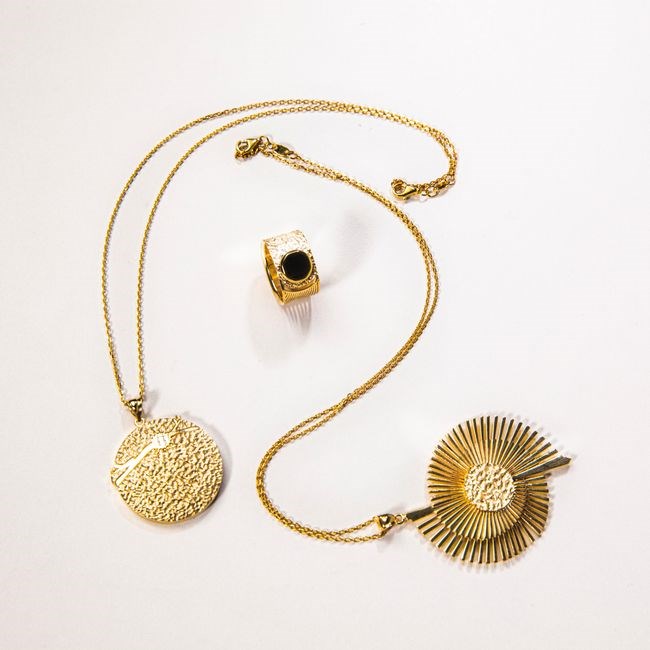
Additionally, the PDF includes a comparative table that juxtaposes the cost, hardness, and typical use cases for each metal and gemstone․ This table serves as a quick reference for designers planning new collections, allowing them to balance budget constraints with desired aesthetic outcomes․ The section concludes with an overview of emerging materials like titanium and zirconium alloys, thediamonds, and sustainability․ Global impact now!․

Design Process and Techniques Explained
The PDF outlines workflow: concept sketches, CAD modeling, prototype testing, and production․ It stresses iterative refinement, material choice, and precision detailing, ensuring designs translate vision into flawless, market ready pieces collectors!․
Sketching and CAD Integration
In the PDF, the sketching stage is described as the foundational step where designers translate inspiration into tangible outlines․ Artists begin with free‑hand drawings, using pencils or digital tablets to capture proportions, symmetry, and ornamental motifs․ These sketches serve as reference for the next phase: computer‑aided design (CAD)․ The document highlights how CAD software, such as Rhino, MatrixGold, or 3‑Design, transforms 2D sketches into precise 3D models․ Designers import hand‑drawn images as templates, overlaying them onto a virtual canvas to trace contours and adjust dimensions with millimetric accuracy․ The PDF emphasizes parametric modeling, allowing designers to modify variables like bead spacing, chain links, or gemstone placement without redrawing the piece․ A key feature discussed is the use of design libraries that store standard components like clasps, settings, and filigree patterns for rapid assembly․ The integration workflow includes real‑time rendering, enabling designers to preview color, texture, and lighting effects before production․ The PDF provides step‑by‑step tutorials on creating a basic pendant: starting from a sketch, importing into CAD, extruding the profile, adding a setting cavity, and exporting to a 3D printer or CNC mill․ It covers troubleshooting pitfalls like mesh errors, scale mismatches, and file format issues․ By combining intuition with precision, the PDF shows how sketching and CAD integration streamline the process, reduce costs, and speed entry for collectors!!

Casting and Metalworking Sections
This PDF outlines lost‑wax casting, sand casting, and investment techniques, detailing mold preparation, wax removal, and metal pouring․ It explains surface finishing, polishing, and quality checks to ensure durability and aesthetic precision․
Lost Wax Casting Methodology
The lost‑wax casting process, central to fine jewelry fabrication, begins with a detailed wax model that captures every design nuance․ The model is encased in a refractory investment material, forming a robust mold․ Once the investment hardens, the assembly is heated in a kiln, causing the wax to melt and escape through vent channels—hence the term “lost wax․” This leaves a cavity that precisely mirrors the original design․ Molten metal, typically gold, silver, or platinum, is then poured into the cavity under controlled temperature and pressure conditions․ After cooling, the investment is broken away, revealing a near‑perfect metal replica․ The cast piece undergoes meticulous finishing: grinding, polishing, and sometimes hand‑crafted embellishments to restore surface detail․ Additionally, the process supports multi‑metal layering and inlay work, expanding creative possibilities․ By mastering each step—from wax sculpting to final polishing—designers ensure structural integrity, aesthetic fidelity, and durability in every finished piece․ The technique also allows for the integration of in‑lay stones and color gradients, enabling designers to create visually dynamic pieces that play with light and depth․ Quality control involves inspecting the cast for porosity, ensuring complete filling of fine details, and performing post‑casting annealing to relieve internal stresses․ Finally, a meticulous polishing routine brings out the metal’s luster, completing the transformation from wax model to wearable art․

Gemstone Identification and Grading
Gemstone grading focuses on color, clarity, cut, and carat․ Color is assessed on a standardized scale; clarity examines inclusions; cut evaluates symmetry and polish; carat measures weight․ These criteria determine quality, value, authenticity for collectors!․
Color, Clarity, Cut, Carat in the PDF
The PDF dedicates a comprehensive section to the four pillars of gemstone evaluation—color, clarity, cut, and carat—providing readers with a clear, step‑by‑step guide to each criterion․ Color is examined through the Gemological Institute of America’s (GIA) standardized color scale, ranging from D (colorless) to Z (light yellow or brown)․ The clarity assessment focuses on the presence, type, and location of inclusions, using the GIA clarity scale from FL (flawless) to I3 (included)․ The PDF illustrates inclusions, discusses techniques—such as polarized microscopy—reveal flaws․ Cut quality is evaluated by measuring symmetry, polish, and proportion, with PDF detailing how a gemstone maximizes brilliance, scintillation․ The carat weight is measured in grams and correlates with size and price․ The PDF explains the conversion between carat and millimeter dimensions, and highlights the impact of carat weight on the perceived value of a gemstone․ Together, these four categories form a holistic grading system that equips collectors, designers, and jewelers with the knowledge to make informed decisions about authenticity, quality, and investment potential․ The section also references certification practices, encouraging readers to seek GIA or similar laboratory reports for verification․ By integrating color, clarity, cut, and carat into a single, cohesive framework, the PDF offers a practical tool for evaluating gemstones with confidence and precision․

Care, Maintenance, and Restoration Advice
Keep jewelry clean with mild soap, avoid harsh chemicals, and inspect for loose settings․ Use professional cleaning for intricate pieces, and schedule regular maintenance to preserve shine and structural integrity․
Handle with care․ 2026․!!
Cleaning and Storage Guidelines
Proper cleaning preserves shine and prolongs life․ Use a solution of mild dish soap and lukewarm water; dip a soft, lint‑free cloth or a soft‑bristle brush, then gently wipe the surface․ Rinse with clean water and dry immediately with a microfiber towel․ Avoid harsh chemicals, ultrasonic cleaners, or steam, which can damage delicate settings or gemstones․ For gold, silver, or platinum, a dedicated jewelry cleaner or a gentle polishing cloth can remove tarnish․ After cleaning, inspect each piece for loose stones, broken clasps, or worn settings; address issues promptly to prevent loss․ Storage should keep pieces separated to avoid scratches․ Use individual soft‑lined pouches or velvet‑lined boxes, and store in a cool, dry place away from direct sunlight and humidity․ For long‑term storage, consider anti‑tarnish strips or silica gel packets to absorb moisture․ Keep jewelry out of strong magnetic fields, and avoid storing metal items near batteries or electronic devices that may cause corrosion․ Regularly re‑inspect stored pieces and clean them at least twice a year to maintain luster and integrity․
When storing jewelry, consider climate‑controlled environments to prevent temperature‑induced stress․ Use acid‑free tissue or cotton bags to cushion each item․ Rotate pieces regularly to avoid prolonged pressure on seams․ For antique or fragile items, consult a conservator before cleaning to ensure preservation of original patina and setting integrity․ Label each pouch with the name!Keep items in cool, dry room today for!

Publication Format and Distribution Information

The PDF is offered in standard, tagged‑PDF, and compressed ZIP formats․ Distribution occurs through the publisher’s site, academic repositories, and open‑access platforms․ A Creative Commons BY‑NC‑SA 4․0 license permits non‑commercial sharing with attribution․ File size 1;2–4․8 MB, resolution dependent․
PDF Versions, Accessibility, and Licensing
Version 1․0 (2018) introduced foundational design principles, while Version 2․0 (2021) expanded on advanced CAD integration and gemstone grading․ Each release is available in three formats: standard PDF, tagged PDF for screen readers, and a compressed ZIP containing source files and high‑resolution images․ Accessibility features include full text alt‑tags, logical reading order, and compatibility with NVDA and VoiceOver․ The document is licensed under Creative Commons BY‑NC‑SA 4․0, allowing non‑commercial redistribution with attribution and share‑alike․ For academic use, a separate institutional license grants full‑text access to university libraries․ The publisher hosts the PDF on a secure server with HTTPS, ensuring integrity via SHA‑256 checksums․ Users can download the file directly or subscribe to the RSS feed for updates․ The PDF’s metadata contains detailed author information, publication date, and DOI, facilitating citation in scholarly work․ Technical support is available through a dedicated help desk, and a community forum encourages discussion of design techniques and troubleshooting․ All versions comply with WCAG 2․1 AA standards, ensuring that visually impaired users can navigate the content effectively․ The PDF also includes a built‑in search function that indexes all headings, figure captions, and glossary terms, enabling quick retrieval of specific topics․ Future releases will incorporate interactive 3D models and AR overlays, further bridging the gap between digital and physical jewelry design․ and more