
Georgia Weekly Trout Stocking Report PDF: A Comprehensive Guide (Updated 04/15/2026)
As of today‚ April 15th‚ 2026‚ stocking trucks are gearing up for North Georgia’s renowned trout streams‚ promising a robust season for eager anglers.
Understanding the Georgia DNR Trout Stocking Program
The Georgia Department of Natural Resources (DNR) operates a comprehensive trout stocking program designed to enhance recreational fishing opportunities throughout the state. This initiative focuses on maintaining healthy trout populations in designated waters‚ particularly in the North Georgia mountains.
The program utilizes both hatchery-raised rainbow‚ brown‚ and brook trout‚ strategically released into rivers‚ streams‚ and reservoirs. Stocking efforts are not random; they are carefully planned based on water quality‚ habitat suitability‚ angler access‚ and historical stocking data. The DNR aims to provide consistent fishing experiences while also supporting local economies dependent on tourism.
Regular monitoring and evaluation are crucial components‚ ensuring the program’s effectiveness and adapting to changing environmental conditions. This dedication to sustainable fisheries management benefits both anglers and the overall health of Georgia’s aquatic ecosystems.
What is the Weekly Trout Stocking Report?
The Weekly Trout Stocking Report is a publicly available document released by the Georgia DNR‚ detailing planned trout releases across the state. Published regularly‚ typically every week during the active stocking season (fall‚ winter‚ and spring)‚ it serves as an invaluable resource for anglers.
This report outlines where trout will be stocked‚ when the stocking is scheduled to occur‚ and what type and quantity of trout are being released. It’s designed to help anglers plan their fishing trips effectively‚ maximizing their chances of success.
The report is primarily distributed as a PDF‚ offering a convenient and easily accessible format. It’s a cornerstone of transparency‚ keeping the fishing community informed about DNR’s stocking activities and promoting responsible angling practices.
Accessing the PDF Report: Official Sources
The most reliable source for the Georgia Weekly Trout Stocking Report PDF is the official Georgia Department of Natural Resources (DNR) Wildlife Resources Division website. Look for a dedicated “Trout Stocking” section‚ often found under the “Fishing” tab. Direct links to the latest report are typically prominently displayed.
Additionally‚ the report is often linked on the DNR’s social media channels‚ including Facebook and Twitter‚ providing quick access for followers. Be cautious of unofficial sources‚ as information may be outdated or inaccurate. Always verify the report’s date to ensure it’s current.
Downloading the PDF is straightforward; simply click the provided link. The DNR strives to make this vital information readily available to all Georgia anglers.
Decoding the Report: Key Information Sections
The Georgia Weekly Trout Stocking Report PDF is meticulously organized for angler convenience. Key sections include a list of stocked waters‚ categorized by county and river basin. Each entry details the specific location within the waterbody where trout were released.
Crucially‚ the report outlines the stocking codes used to identify species and sizes of trout stocked – rainbow‚ brown‚ and brook trout are common. Quantities are provided‚ indicating the number of fish released at each location. Understanding these codes is vital for targeting specific trout.
Pay close attention to any notes or special instructions accompanying the stocking data‚ as these may indicate unique conditions or restrictions.
Understanding Stocking Codes & Locations
The report utilizes specific codes to denote trout species; for instance‚ ‘RB’ typically represents Rainbow Trout‚ ‘BR’ signifies Brown Trout‚ and ‘BT’ indicates Brook Trout. Location descriptions are often detailed‚ referencing specific access points‚ bridges‚ or landmarks along the stocked waterway.
These locations aren’t random. The Georgia DNR strategically selects areas offering suitable habitat and angler access. Codes may also indicate stocking methods – direct release versus remote stocking via pipeline. Deciphering these codes allows anglers to pinpoint prime fishing spots.
Always cross-reference the location descriptions with a map to ensure accurate navigation and legal access to the fishing area.
Interpreting Stocking Quantities (Numbers & Sizes)
The report lists stocking quantities as numerical values representing the total number of trout released at each location. These numbers don’t always equate to immediate fishing success‚ as trout disperse after stocking. Size classifications are crucial; ‘catchable’ typically denotes fish around 8-12 inches‚ suitable for immediate harvest.
Occasionally‚ the report may include ‘fingerling’ stockings – smaller trout intended for future growth. These require more patience to catch. Understanding the size designation helps anglers adjust their tactics and expectations.
Remember that stocking numbers are estimates and actual fish present may vary due to natural mortality and angler harvest.
North Georgia Trout Streams: Popular Stocking Locations
North Georgia boasts a wealth of trout streams frequently benefiting from the DNR’s stocking program. These locations are highly sought after by anglers‚ offering consistent opportunities for catching stocked rainbow‚ brown‚ and brook trout. The report consistently highlights popular destinations‚ allowing anglers to plan targeted fishing trips.
Key areas include the Chattahoochee River tailwaters‚ known for its year-round trout fishing‚ and the Nottely River & Reservoir‚ providing diverse angling experiences. The Toccoa River and Lake Blue Ridge are also consistently stocked‚ attracting a large number of fishing enthusiasts.
Regularly checking the report reveals specific stocking details for each of these premier locations.
Chattahoochee River Tailwaters
The Chattahoochee River tailwaters consistently receive significant trout stocking‚ making it a premier destination for Georgia anglers. The weekly report details stocking locations along this stretch‚ often focusing on areas below Buford Dam. These stockings typically include rainbow and brown trout‚ catering to a variety of fishing preferences.
Anglers should note the report’s specific details regarding stocking quantities and sizes‚ as these can fluctuate based on hatchery production and river conditions. Access points are plentiful‚ but parking can be limited‚ especially during peak season. The report doesn’t detail access‚ but knowing this is helpful.
Monitoring the report is crucial for maximizing success in this popular fishery.
Nottely River & Reservoir
The Nottely River and its associated reservoir are frequently featured in the Georgia DNR’s weekly trout stocking report. Stocking efforts here often target the river below Nottely Dam‚ creating excellent opportunities for bank and boat anglers alike. The report will specify the sections of the river receiving fish‚ and the reservoir’s coves.
Expect to find rainbow‚ brown‚ and occasionally brook trout included in these stockings. Pay close attention to the reported quantities‚ as Nottely can handle larger stocking numbers due to its size. Water levels and generation schedules from the dam significantly impact fishing success.
The report is vital for planning a productive trip to Nottely.
Toccoa River & Lake Blue Ridge
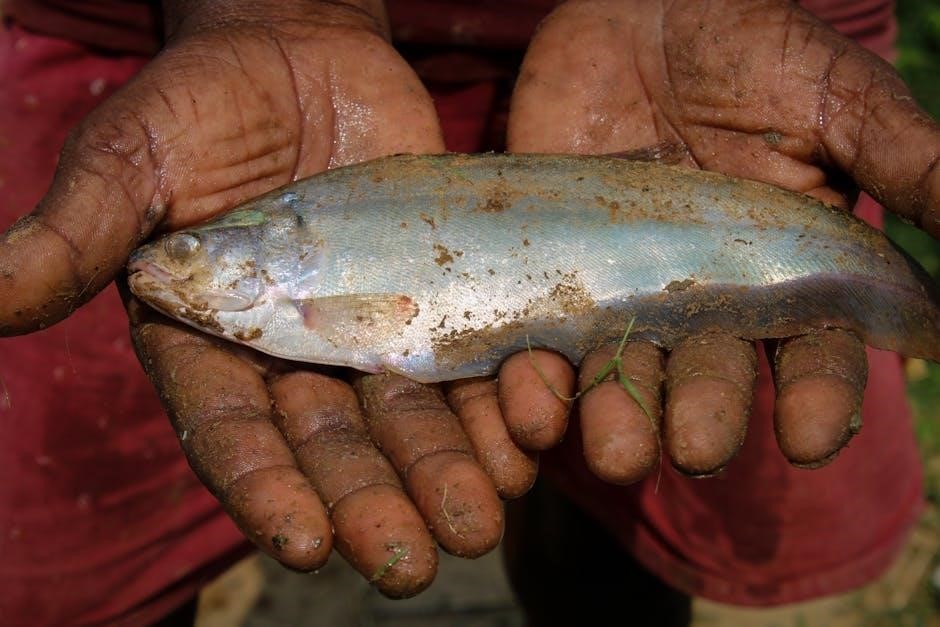
The Toccoa River‚ flowing into Lake Blue Ridge‚ consistently receives substantial trout stocking‚ making it a premier destination detailed in the weekly Georgia DNR report. The report will delineate stocking locations along the river‚ particularly below the Blue Ridge Dam‚ and occasionally within specific coves of the lake itself.
Anglers can anticipate rainbow and brown trout being regularly stocked here‚ with the report indicating the number and estimated size of fish released. Water release schedules from the dam heavily influence fishing conditions‚ so checking the report alongside generation data is crucial.
The weekly report is essential for maximizing your fishing success on the Toccoa and Blue Ridge.
Timing of Stocking: Seasonal Patterns
The Georgia DNR’s trout stocking follows predictable seasonal patterns‚ outlined in the weekly report. Stocking significantly increases during cooler months – typically from late fall through early spring – when water temperatures are optimal for trout survival.
Reduced stocking occurs during the heat of summer‚ as warmer water stresses trout. The report will reflect this‚ showing fewer releases or focusing on higher-elevation‚ cooler streams.
As winter transitions to spring‚ as noted in today’s report (04/15/2026)‚ stocking intensifies‚ preparing for the peak fishing season. The weekly PDF provides anglers with a clear understanding of these cycles‚ allowing for strategic trip planning.
Factors Influencing Stocking Schedules
The Georgia DNR’s stocking schedules aren’t rigid; they’re dynamically adjusted based on several key environmental factors. Water temperature and flow rates are paramount‚ as detailed in the weekly report. Cold‚ well-oxygenated water is crucial for trout health post-stocking.
Unexpected rainfall or droughts can necessitate schedule changes‚ impacting accessibility and trout survival. The report often includes notes on current conditions.
DNR hatchery production levels also play a role. The weekly PDF reflects the availability of trout from state hatcheries‚ influencing the quantity and frequency of stocking events across North Georgia’s streams.
Water Temperature & Flow Rates
The weekly trout stocking report meticulously considers water temperature and flow rates before‚ during‚ and after stocking events. Ideal temperatures for trout survival typically range between 50°F and 65°F‚ though this can vary by species. The report may indicate adjustments based on these readings.
Flow rates are equally important; sufficient water flow provides oxygen and disperses stocked trout‚ preventing overcrowding. Low flow conditions can lead to stress and mortality‚ prompting the DNR to postpone or modify stocking plans.
The PDF report often includes notes on recent rainfall and river levels‚ offering anglers insight into current conditions and potential impacts on trout behavior.
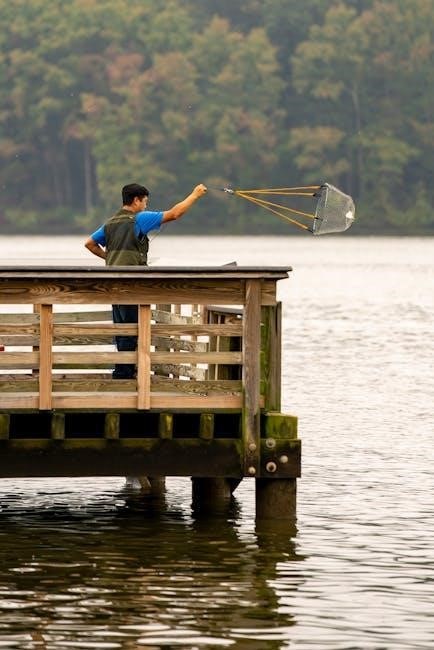
DNR Hatchery Production Levels
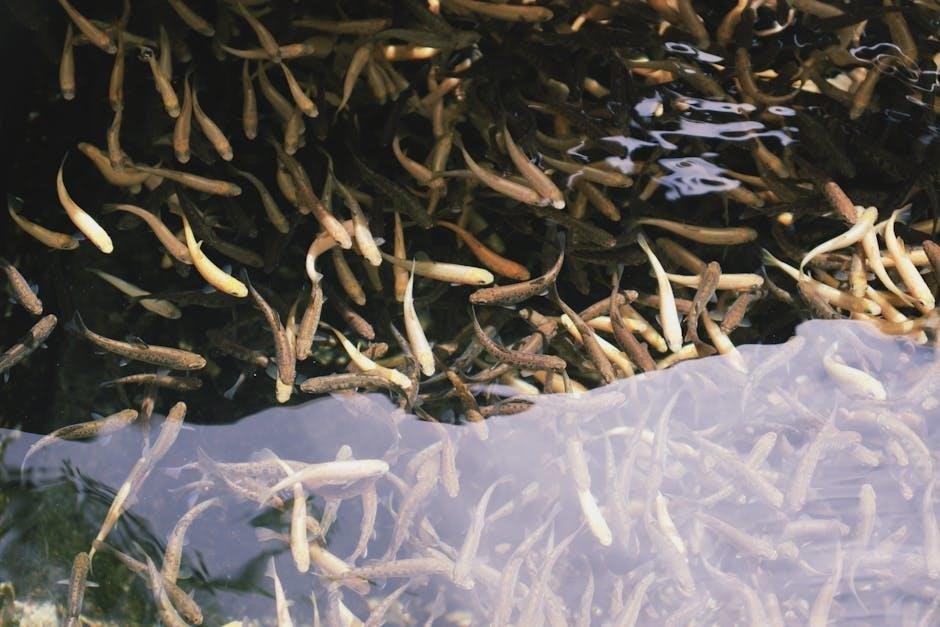
The Georgia Department of Natural Resources (DNR) hatchery production significantly influences the quantities reported in the weekly trout stocking PDF. Production capacity‚ impacted by factors like broodstock health and facility maintenance‚ directly correlates to stocking numbers.
The report doesn’t usually detail specific hatchery output figures‚ but anglers can infer trends. Consistent stocking levels suggest stable production‚ while fluctuations might indicate temporary limitations. Understanding this context helps manage expectations.
The PDF may contain generalized statements about hatchery performance‚ such as “normal production levels” or “reduced output due to facility upgrades.” These notes provide valuable insight into the stocking schedule.
Preparing for a Trout Fishing Trip After Stocking
The weekly trout stocking report PDF is your starting point for planning a successful trip. Confirm the stocking location and date‚ then check local weather conditions. Pack appropriate gear – waders‚ rain gear‚ and layers are essential for fluctuating mountain temperatures.
Review stream access points and parking availability beforehand. Popular stocked areas can become crowded quickly. Consider arriving early to secure a good fishing spot. Don’t forget your valid Georgia fishing license and trout stamp‚ as enforcement is common.
Finally‚ familiarize yourself with any specific regulations for the chosen stream‚ as noted on the DNR website.
Gear Recommendations for Stocked Trout
Following the Georgia weekly trout stocking report‚ selecting the right gear is crucial. Light to medium-action spinning rods (6-7ft) paired with 4-6lb test line are ideal. Small spinners (Mepps‚ Rooster Tail) and in-line spinners are highly effective‚ mimicking the trout’s natural food sources.
PowerBait and salmon eggs consistently produce results‚ especially immediately after stocking. Small jigs tipped with bait also work well. Consider a small tackle box to organize lures and hooks. Polarized sunglasses reduce glare and help spot fish.
A net is essential for landing stocked trout‚ and chest waders allow access to prime fishing spots.
Effective Fishing Techniques for Recently Stocked Areas
Utilizing the Georgia weekly trout stocking report‚ focus on areas immediately downstream from stocking points. Drift fishing with bait or small lures is highly effective‚ allowing offerings to naturally flow with the current. Cast across and slightly upstream‚ letting the current carry your bait through likely holding areas.
Small‚ subtle presentations often outperform aggressive retrieves‚ as stocked trout can be initially wary. Experiment with different depths using split shot to adjust your presentation. Pay attention to structure like rocks and logs‚ where trout seek cover.
Keep your movements quiet and avoid spooking fish in clear water.
Regulations & Licensing Requirements
Before pursuing stocked trout‚ understanding Georgia’s fishing regulations is crucial. A valid Georgia fishing license is required for anyone 16 years or older. Trout-specific regulations often apply‚ including catch limits and size restrictions‚ varying by waterbody.
Check the Georgia DNR’s Wildlife Resources Division website for the latest rules‚ as they can change annually. Certain waters may have special regulations‚ like artificial lure-only restrictions or harvest limits. Adhering to these regulations ensures sustainable fisheries and responsible angling.
Proper license display is mandatory while fishing. Familiarize yourself with creel limits to avoid penalties.
Staying Updated: Beyond the Weekly PDF
While the weekly PDF report is invaluable‚ staying informed requires utilizing multiple resources. The Georgia DNR’s official website (gadnr.org) provides real-time updates‚ news releases‚ and detailed information about trout stocking efforts throughout the year. Follow the Georgia DNR’s Wildlife Resources Division on social media (Facebook‚ Twitter) for immediate announcements and stocking notifications.
Local fishing reports from tackle shops and online forums offer valuable‚ on-the-ground insights. Engage with local angling communities to learn about recent stocking activity and fishing conditions. These supplementary sources complement the PDF‚ providing a more comprehensive understanding of trout availability.
Georgia DNR Website & Social Media
The Georgia Department of Natural Resources (DNR) website‚ specifically the Wildlife Resources Division section (gadnr.org)‚ serves as a central hub for all trout stocking information. Here‚ you’ll find archived reports‚ detailed explanations of the stocking program‚ and frequently asked questions. Beyond the PDF‚ the website offers interactive maps showcasing stocking locations and historical data.
Social media platforms like Facebook and Twitter are utilized by the Georgia DNR for rapid dissemination of updates. Follow their official accounts to receive immediate notifications regarding stocking events‚ schedule changes‚ or any unforeseen delays. These platforms provide a convenient way to stay connected and informed in real-time.
Local Fishing Reports & Forums
Supplementing the official Georgia DNR reports‚ numerous local fishing reports and online forums provide valuable‚ on-the-ground insights. These resources‚ often maintained by tackle shops and experienced anglers‚ detail recent stocking success‚ fishing conditions‚ and effective techniques for specific locations.
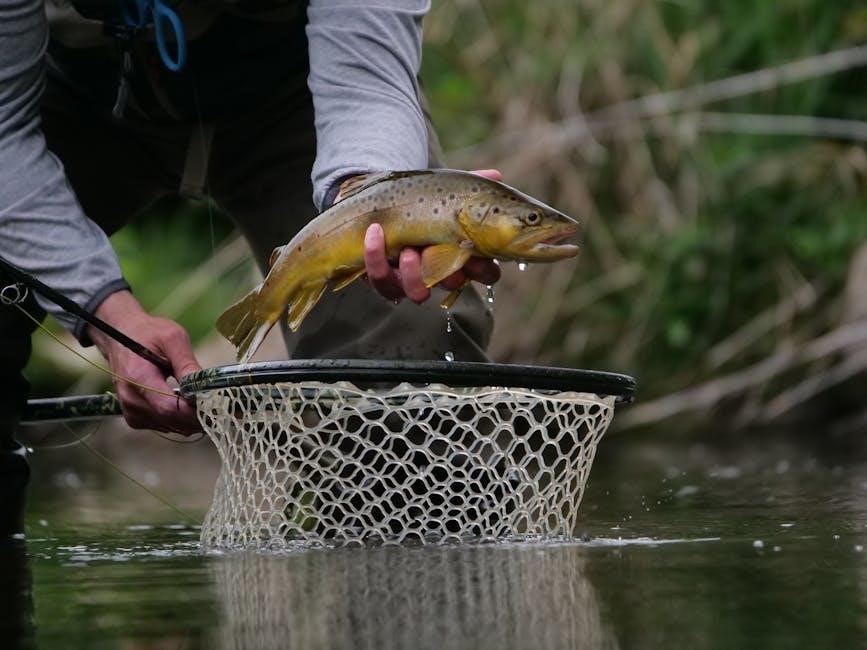
Websites like TroutNow.com and various regional fishing blogs compile angler reports and offer up-to-date information. Online forums‚ such as those found on Fishidy or dedicated Georgia fishing groups‚ foster a community where anglers share their experiences and knowledge. Remember to verify information from these sources‚ as accuracy can vary‚ but they offer a great complement to the official PDF reports.
Troubleshooting: What if the Report is Delayed?
Occasionally‚ the weekly Georgia trout stocking report PDF may experience delays in publication due to unforeseen circumstances‚ such as inclement weather impacting stocking operations or technical issues with report generation. Don’t immediately assume no stocking occurred!
First‚ check the Georgia DNR’s official social media channels (Facebook‚ Twitter) for announcements regarding delays. Local tackle shops are often informed directly by DNR personnel and can provide updates. Anglers frequently share information on fishing forums if they observe stocking activity despite a delayed report. Patience is key; the report typically appears within a day or two of the usual schedule.
Future Trends in Georgia Trout Stocking
Looking ahead‚ Georgia DNR is continually evaluating its trout stocking program to maximize angler opportunity and trout survival rates. Expect increased focus on genetic diversity within stocked trout populations‚ enhancing their resilience to disease and environmental changes. Data analysis from the weekly reports will play a crucial role in refining stocking strategies.
Potential future developments include exploring more remote stocking locations to reduce pressure on popular streams and investing in advanced hatchery technologies to improve fish health and growth. The PDF report itself may evolve to incorporate interactive maps and real-time stocking data‚ offering anglers even greater accessibility to information.