
Wine Glass Guide: A Comprehensive Overview (Updated 12/17/2025)
Today is 12/17/2025 10:11:14 (). Selecting the correct glassware enhances aroma, taste, and overall enjoyment; a thin, clear bowl is key.
Wine glassware isn’t merely about aesthetics, though presentation certainly plays a role. The shape and size of a glass profoundly impact the wine-drinking experience, influencing how aromas are perceived and how flavors develop on the palate. Different wines benefit from different glass designs, maximizing their unique characteristics.
Choosing the right glass isn’t about pretension; it’s about unlocking the full potential of the wine. A thin glass allows for better temperature control and unobstructed viewing of the wine’s color. The bowl’s shape directs the wine to specific areas of the tongue, highlighting certain flavor profiles. Understanding these nuances elevates wine appreciation from simple consumption to a truly sensory experience. Exploring the world of wine glasses is a journey into enhancing enjoyment.
Why Wine Glass Shape Matters
The shape of a wine glass isn’t arbitrary; it’s meticulously designed to influence the wine’s aroma and taste. A wider bowl encourages aeration, releasing complex aromas, while a narrower opening concentrates those scents. The glass’s curvature directs the wine to different parts of your tongue, emphasizing specific flavors – fruit-forward, tannins, or acidity.
For example, Burgundy glasses have large bowls to capture delicate aromas, while Bordeaux glasses are taller, directing tannins to the back of the mouth. Ultimately, the correct shape enhances the wine’s characteristics, creating a more balanced and enjoyable tasting experience. It’s about optimizing the sensory perception of each unique wine.
Key Features of Quality Wine Glasses
Quality wine glasses prioritize thinness and clarity. A thin rim minimizes interference with the wine’s contact with your lips, maximizing flavor perception. Clarity allows for full visual appreciation of the wine’s color and clarity. Stem length prevents heat transfer from your hand, maintaining the wine’s optimal temperature.
Bowl size is crucial for aeration and aroma development. Investing in well-made glasses, even if it means fewer, is preferable to numerous cheap options; Remember, glasses will break, so choose a price point that won’t cause undue stress. Aesthetics also contribute to enjoyment!
Thinness and Clarity
Thin glass is paramount; the thinner the rim, the better the wine flows onto your palate, enhancing the tasting experience. It minimizes distraction, allowing the wine’s nuances to shine. Clarity is equally vital, enabling you to fully appreciate the wine’s color – a key component of wine evaluation.
A clear glass lets you observe the wine’s viscosity and any sediment, offering visual clues about its age and quality; Prioritize glasses that are as thin as possible while maintaining reasonable durability. Don’t overspend on fragile options you’ll fear breaking; balance is key!
Stem Length and Bowl Size
Stem length prevents hand warmth from altering the wine’s temperature, crucial for optimal enjoyment. Holding the glass by the stem also avoids fingerprints smudging the bowl, maintaining clarity for visual assessment. Bowl size directly impacts aeration – a larger bowl allows more oxygen exposure, softening tannins and releasing aromas.
However, avoid bowls so large the wine loses temperature too quickly or becomes over-aerated. The ideal size ensures sufficient aeration without compromising the wine’s integrity. Consider the wine type; bolder reds benefit from larger bowls, while delicate whites require smaller ones.
Types of Wine Glasses for Red Wine
Red wine glasses generally feature larger bowls to enhance aeration, softening tannins and releasing complex aromas for a fuller tasting experience.
Bordeaux Glass
Bordeaux glasses are designed for full-bodied red wines like Cabernet Sauvignon and Merlot. Their tall shape directs wine to the back of the mouth, minimizing fruit-forward flavors and emphasizing tannins.
Typically, these glasses boast a large bowl – often exceeding 22 ounces – allowing ample surface area for aeration, crucial for older, more complex wines. The height also allows for swirling without spillage.
Riedel Vinum Bordeaux glasses are a popular starting point, offering excellent quality without a prohibitive price. However, for a truly elevated experience, consider Zalto or Gabriel Glass options. Remember, breakage is inevitable, so choose a price point you’re comfortable with!
Burgundy Glass
Burgundy glasses are distinguished by their exceptionally wide bowl, significantly larger than Bordeaux glasses. This expansive shape is specifically tailored for lighter-bodied, more delicate red wines like Pinot Noir. The broad surface area maximizes aeration, unlocking the wine’s nuanced aromas.
The wide bowl also directs wine to the tip of the tongue, highlighting fruit-forward flavors. The large opening allows for generous swirling, further releasing the wine’s bouquet.
Consider options from Riedel or Spieglau to begin. For a premium experience, explore Zalto or Markthomas. Prioritize a glass you won’t fear breaking, as accidents happen!
Rhône Glass
Rhône glasses occupy a middle ground in size and shape, bridging the gap between Burgundy and Bordeaux styles. They are designed for the robust, often spicy, red wines of the Rhône Valley, such as Syrah and Grenache. The slightly narrower bowl compared to Burgundy glasses concentrates aromas, while still allowing for ample aeration.
This shape emphasizes the wine’s peppery and savory notes, delivering a balanced tasting experience. The glass directs wine towards the back of the mouth, enhancing the perception of tannins.
Riedel Vinum and Spieglau offer accessible options. For a luxurious upgrade, consider Zalto or Gabriel Glass.

Types of Wine Glasses for White Wine
White wine glasses generally feature a smaller bowl to maintain cooler temperatures and preserve delicate aromas, enhancing the tasting experience significantly.
Chardonnay Glass
Chardonnay glasses are typically wider and have a U-shaped bowl. This design directs the wine to the tip of the tongue, softening acidity and highlighting the rich, buttery notes often found in Chardonnay. The wider opening also encourages oxidation, releasing complex aromas.
A good Chardonnay glass allows the wine to breathe, developing its full potential. The bowl size is crucial; it needs to be substantial enough to swirl the wine effectively without spillage. Consider a glass with a slightly tapered rim to concentrate the aromas.
Ultimately, the goal is to showcase Chardonnay’s diverse characteristics, from crisp and mineral-driven styles to opulent, oak-aged expressions. Choosing the right glass elevates the tasting experience considerably.
Sauvignon Blanc Glass
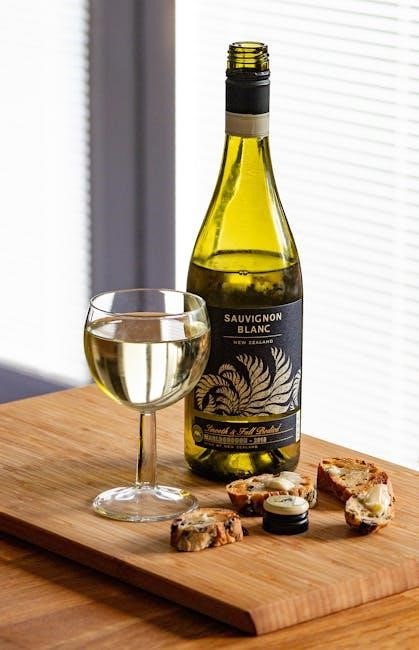
Sauvignon Blanc glasses generally feature a tall, slender bowl with a slightly flared rim. This shape preserves the wine’s vibrant acidity and herbaceous aromas, delivering them directly to the nose. The height of the glass allows for ample swirling, releasing the wine’s aromatic complexity.
Unlike Chardonnay, Sauvignon Blanc doesn’t benefit from extensive oxidation. The narrower opening helps to contain those fresh, zesty scents. A slightly tapered rim further concentrates the aromas, enhancing the tasting experience.

The ideal glass will showcase Sauvignon Blanc’s signature characteristics – its crispness, minerality, and often, its gooseberry or grapefruit notes. It’s a glass designed for refreshment and aromatic intensity.
Riesling Glass
Riesling glasses often exhibit a unique, tulip-shaped bowl, slightly narrower than those for Sauvignon Blanc, but taller. This distinctive form is crucial for showcasing Riesling’s complex aromatic profile, ranging from floral and fruity to mineral and petrol notes. The tapered shape concentrates these delicate aromas.
Riesling’s high acidity and potential for sweetness require a glass that balances these elements. The tulip shape directs the wine towards the front of the palate, highlighting its crispness. The slightly flared rim softens the acidity, allowing the fruit flavors to shine.
A Riesling glass aims to present the wine’s multifaceted character, emphasizing both its vibrancy and its nuanced complexity.
Types of Wine Glasses for Sparkling Wine
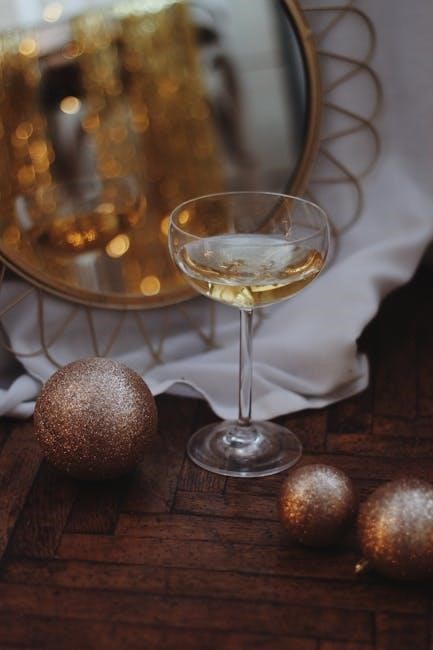
Sparkling wines benefit from glasses preserving bubbles and aromas; flute and tulip shapes are popular choices, enhancing the effervescence and tasting experience.
Flute Glass
The classic flute glass, instantly recognizable with its tall, narrow bowl, is traditionally favored for sparkling wines like Champagne and Prosecco. Its design isn’t merely aesthetic; the elongated shape actively works to maintain the wine’s delicate bubbles for a longer period, creating a visually appealing and persistent perlage.
However, modern sommelier opinions are shifting. While excellent at bubble retention, the narrow opening can restrict the wine’s aromas from fully expressing themselves. This limitation means you might miss out on some of the nuanced flavors the sparkling wine offers. Despite this, the flute remains a popular choice for celebratory toasts and casual enjoyment, prioritizing visual appeal and effervescence over complex aromatic exploration.
Tulip Glass
The tulip glass, a more contemporary choice for sparkling wines, presents a unique alternative to the traditional flute. Characterized by its bowl that gently tapers inward towards the rim, resembling a tulip flower, this glass offers a compelling balance between bubble preservation and aromatic expression.
Unlike the flute’s restrictive opening, the tulip glass’s wider mouth allows for a fuller appreciation of the wine’s bouquet, enhancing the tasting experience. While it doesn’t maintain bubbles quite as long as a flute, the improved aroma delivery is often considered a worthwhile trade-off by wine enthusiasts and professionals alike. It’s becoming increasingly favored for serious sparkling wine tasting.

Dessert Wine Glasses
Dessert wine glasses are typically smaller to concentrate aromas and sweetness, offering a balanced sip. Enjoy these delightful wines in style!
Small Dessert Wine Glass
Small dessert wine glasses, often holding only 2-4 ounces, are specifically designed for intensely flavored and sweet wines like Port, Sherry, or Sauternes. Their diminutive size isn’t about limiting enjoyment, but rather about concentrating the wine’s complex aromas and delivering them directly to the palate.
The smaller bowl minimizes the surface area, slowing oxidation and preserving the wine’s delicate balance. This allows the sweetness to be tempered by the wine’s acidity, preventing it from becoming cloying. These glasses are frequently tulip-shaped, further focusing the aromas. Choosing the right size enhances the tasting experience, making each sip a delightful indulgence.

Universal Wine Glasses
All-purpose wine glasses offer versatility for various wines, simplifying collections; a good starting point for casual enjoyment and everyday use.
All-Purpose Wine Glass
The all-purpose wine glass is a fantastic option for those beginning their wine journey or preferring a simplified glassware collection. These glasses generally feature a moderate bowl size, suitable for both red and white wines, offering a versatile solution for everyday enjoyment.
While not specifically tailored to enhance the nuances of individual varietals like specialized glasses, they provide a perfectly acceptable experience. They strike a balance between functionality and convenience, making them ideal for casual gatherings or when you don’t want to worry about matching the glass to the wine.
Consider brands like Spiegelau or Riedel’s Vinum series for reliable quality at accessible price points. Remember, a glass that won’t cause distress if broken is a practical choice!

Materials Used in Wine Glass Production
Wine glasses are crafted from crystal or glass, with lead-free crystal gaining popularity. Thinness and clarity are vital, impacting the wine’s aesthetic and sensory experience.
Crystal vs. Glass
Traditionally, wine glasses were made with lead crystal, renowned for its brilliance and weight. The lead content allowed for thinner glass walls and a beautiful refractive quality, enhancing the wine’s appearance. However, concerns about lead leaching led to the development of lead-free crystal alternatives.
Standard glass, while more affordable and durable, typically lacks the same level of clarity and finesse as crystal. It’s often thicker, potentially impacting the wine’s temperature and aroma delivery. The difference lies in the composition; crystal contains barium or zinc oxide instead of lead, offering similar qualities without the health risks.
Ultimately, the choice depends on budget and preference. Lead-free crystal provides a luxurious experience, while quality glass remains a practical option for everyday use. Consider the trade-offs between cost, aesthetics, and potential health concerns when selecting your glassware.
Lead-Free Crystal
As health concerns regarding lead crystal arose, manufacturers innovated, creating stunning lead-free alternatives. These glasses utilize materials like barium oxide, zinc oxide, or titanium dioxide to achieve similar brilliance and clarity without the risks associated with lead.
Lead-free crystal glasses offer exceptional thinness, allowing for a delicate feel and enhanced appreciation of the wine’s color and bouquet. They maintain a beautiful sparkle and resonance, mimicking the qualities of traditional lead crystal, but providing peace of mind.
While often pricier than standard glass, lead-free crystal represents a worthwhile investment for wine enthusiasts. It delivers a premium drinking experience, showcasing the wine’s nuances and elevating the overall enjoyment. It’s a safe and elegant choice for discerning palates.
Caring for Your Wine Glasses
Proper cleaning and storage are vital to preserve your investment. Hand washing is preferred, and careful storage prevents breakage, ensuring longevity and enjoyment.
Proper Cleaning Techniques
Maintaining pristine wine glasses requires gentle handling and specific techniques. Avoid abrasive cleaners, as they can cloud the glass and diminish clarity. Hand washing is strongly recommended; use warm water and a mild, pH-neutral dish soap. Hold the glass by the stem or base to prevent fingerprints on the bowl.
Rinse thoroughly under warm water, ensuring all soap residue is removed. To prevent water spots, dry immediately with a lint-free microfiber cloth – avoid regular towels, which can leave fibers behind. For stubborn stains, a solution of warm water and white vinegar can be effective. Never put wine glasses in the dishwasher, as the high heat and harsh detergents can damage the delicate glass and compromise its ability to enhance the wine’s aroma and flavor.
Storage to Prevent Breakage
Protecting your investment in quality wine glasses necessitates careful storage practices. The most vulnerable part of a wine glass is the bowl and the stem. Store glasses upright, ideally in a dedicated cabinet or on shelves with padded surfaces. Avoid stacking glasses directly on top of each other, as this significantly increases the risk of chipping or breakage.
If stacking is unavoidable, place a protective layer – such as felt pads or glass protectors – between each glass. Consider using glass racks designed specifically for wine glasses, providing individual slots for secure storage. Minimize exposure to temperature fluctuations and vibrations, as these can weaken the glass over time. Remember, breakage is inevitable, so choose glasses you enjoy without excessive worry!