
Navigating horse blanket selection requires understanding temperature fluctuations and individual horse needs. Proper warmth ensures comfort and health during colder months, preventing chilling or overheating.
Blanket weights range from lightweight (0-100g) to heavyweight (300-400g+), influencing the level of insulation provided. Choosing the correct weight is crucial for optimal temperature regulation.
Factors like age, health, body condition, and whether a horse is clipped all impact blanket choice. This guide provides a comprehensive overview to help you make informed decisions.
Understanding the Need for Horse Blankets
Horses possess natural insulation, but it’s often insufficient during harsh weather conditions. Their ability to cope with cold depends on acclimatization, body condition, and coat thickness. Blankets supplement this natural protection, preventing heat loss and maintaining a comfortable core temperature.
Without adequate protection, horses can expend significant energy simply staying warm, diverting resources from essential functions like growth, reproduction, and immune response. This can lead to weight loss, increased susceptibility to illness, and overall reduced well-being.
Blankets are particularly vital for clipped horses, as their natural coat is removed, diminishing their insulation. Older or sick horses also benefit from the added warmth, as their thermoregulation may be compromised. Ultimately, blankets are a tool to support a horse’s health and comfort.
Factors Influencing Blanket Choice
Selecting the right blanket isn’t solely about temperature; several factors demand consideration. A horse’s age plays a role, with young and senior horses needing more protection. Health status is crucial – compromised immune systems require extra warmth. Body condition significantly impacts their ability to regulate temperature; leaner horses need more insulation.
Whether a horse is clipped dramatically alters blanket needs, removing their natural winter coat. Metabolism also varies between individuals, influencing their heat production. Finally, consider the horse’s workload; active horses generate more heat than those at rest.
These interconnected elements dictate the appropriate blanket weight and material, ensuring optimal comfort and preventing overheating or chilling.
Blanket Weights Explained
Horse blankets are categorized by fill weight, measured in grams (g), indicating insulation levels. Understanding these weights – lightweight, medium, and heavyweight – is key to proper temperature regulation.
Fill weight directly correlates to the blanket’s warmth, helping owners choose the appropriate level of protection for varying weather conditions and individual horse needs.
Lightweight Blankets (0-100g)
Lightweight blankets, often referred to as sheets, offer minimal insulation, typically with 0 grams of fill. These are ideal for temperatures consistently above 40°F, providing a barrier against light chills and insects while allowing for ample airflow.
They are excellent for horses who maintain good body condition and have a healthy winter coat. Lightweight blankets help keep the coat clean and tangle-free during turnout, preventing mud and debris buildup.
Consider these blankets as a comfortable layer rather than a primary source of warmth. They are also suitable for horses transitioning between seasons or those needing only slight protection from the elements.
These blankets are not designed for extended periods in freezing temperatures.
Medium Weight Blankets (150-250g)
Medium-weight blankets strike a balance, offering moderate warmth for temperatures ranging from 30°F to 40°F. Featuring between 150 to 250 grams of fill, they are a versatile choice for many climates and horses.
These blankets are well-suited for clipped horses in moderate cold or unclipped horses experiencing a slight temperature drop. They provide sufficient insulation to prevent chilling without causing overheating during activity.
A medium weight is often the go-to option during transitional periods, like fall and spring, when temperatures fluctuate significantly. They offer a good compromise between comfort and protection.
Monitor your horse for signs of sweating or shivering to adjust accordingly.
Heavyweight Blankets (300-400g+)
Heavyweight blankets, with 300 to 440 grams of fill, are essential for frigid temperatures, typically below 20°F. They provide substantial insulation, protecting horses from extreme cold and windchill.
These blankets are crucial for clipped horses during winter or unclipped horses facing prolonged periods of sub-freezing weather. They prevent significant heat loss and maintain core body temperature.
Consider a heavyweight turnout blanket for outdoor use, ensuring it’s waterproof and durable. For stable use, a heavyweight stable blanket offers similar warmth without the need for full waterproofing.
Always monitor your horse closely when using a heavyweight blanket to avoid overheating.
Temperature Ranges and Blanket Recommendations
Matching blanket weight to temperature is key for horse comfort. This section details recommendations, ranging from lightweight options above 40°F to heavyweights below 20°F.
Adjustments are vital based on individual horse factors, ensuring optimal warmth without overheating or chilling during fluctuating weather conditions.
40°F and Above: Lightweight Blanket Options
When temperatures remain consistently above 40°F, a lightweight blanket, often referred to as a sheet, is generally sufficient for most horses. These blankets typically have 0 grams of fill, providing a minimal layer of warmth without causing overheating.
Lightweight options are ideal for horses with a healthy winter coat, or those who are actively working and generating their own body heat. They serve primarily as a protective layer against light rain, wind, and debris, rather than significant insulation.
Consider a lite-medium weight (100-200g) if your horse is older, has a thinner coat, or is prone to chilling, even at these milder temperatures. Careful observation of your horse’s comfort level is always recommended.
30°F ― 40°F: Transitioning to Medium Weight
As temperatures dip into the 30°F to 40°F range, transitioning to a medium-weight blanket (150-250g fill) is often necessary, especially for clipped horses or those with limited natural insulation. This weight provides a noticeable increase in warmth, protecting against moderate cold.
For unclipped horses with a good winter coat, a lighter-medium weight (100-200g) might suffice, but closely monitor for signs of shivering or discomfort. Adjusting based on individual horse needs is crucial during these fluctuating temperatures.
Consider the horse’s workload; active horses may still be comfortable with a lighter weight, while those at rest will benefit from the increased insulation of a medium-weight blanket.
20°F ― 30°F: Medium to Heavy Weight Considerations
When temperatures fall between 20°F and 30°F, careful consideration of blanket weight is essential. For most horses, particularly those who are clipped, a medium to heavy weight blanket (200-300g) is recommended to provide adequate warmth and prevent chilling.
Unclipped horses with a thick winter coat may still be comfortable with a heavier medium weight (225g), but monitoring for shivering is vital. Horses prone to being cold or with underlying health conditions may require a heavier weight sooner.
Wind chill significantly impacts perceived temperature, so factor this into your decision-making process. Prioritize keeping your horse dry and protected from the elements.
10°F ‒ 20°F: Heavyweight Blanket Necessity
As temperatures plummet to between 10°F and 20°F, a heavyweight blanket (300g or higher) becomes a necessity for most horses, especially those who are clipped or have a compromised immune system. This range demands substantial insulation to maintain core body temperature and prevent hypothermia.
Even unclipped horses may benefit from a heavyweight blanket during prolonged exposure to these frigid conditions, particularly if they are older, younger, or have a low body condition score. Wind chill dramatically increases the risk of cold stress.
Regularly check for signs of shivering or huddling, indicating the horse is struggling to stay warm. Ensure the blanket fits properly to maximize its effectiveness.
Below 10°F: Extreme Cold Weather Blanketing
When temperatures drop below 10°F, extreme cold weather blanketing protocols are essential for horse welfare. A heavyweight blanket (300-440g fill) is the minimum requirement, and layering blankets may be necessary for optimal protection, especially for clipped horses.
Consider adding a stable blanket underneath a turnout blanket for increased warmth. Monitor horses closely for signs of cold stress, such as shivering, muscle tremors, or lethargy. Provide access to shelter from wind and precipitation.
Ensure blankets are waterproof and properly fitted to prevent moisture buildup and heat loss. Regular checks are vital to confirm the horse remains comfortable and protected in these harsh conditions.

Horse-Specific Considerations
Individual horse factors significantly influence blanket needs. Age, health, metabolism, coat condition, and clipping status all dictate appropriate blanket weight and layering strategies for optimal warmth.
Age and Health of the Horse
Young foals and senior horses have different thermoregulatory abilities. Foals may require lighter blankets initially, gradually increasing weight as they mature, while older horses often struggle to maintain body heat and benefit from heavier options.
Horses with compromised health conditions, such as Cushing’s disease or those recovering from illness, may need blanketing at warmer temperatures than healthy adults. Their ability to regulate body temperature can be impaired, making them more susceptible to cold stress.
Monitoring these horses closely for shivering or signs of discomfort is essential. Adjust blanket weight accordingly, prioritizing their individual needs and consulting with a veterinarian for personalized recommendations.
Body Condition Score and Metabolism
A horse’s Body Condition Score (BCS) significantly influences blanket needs. Horses with a higher BCS possess greater fat reserves, providing natural insulation and potentially requiring lighter blankets compared to leaner horses.
Horses with a slower metabolism may struggle to generate sufficient body heat, necessitating heavier blankets even at moderate temperatures. Conversely, those with a faster metabolism might overheat quickly, demanding lighter options or no blanket at all.
Regularly assessing your horse’s BCS and observing their metabolic rate helps determine the appropriate blanket weight. Adjustments should be made based on individual needs, ensuring comfort and preventing both chilling and overheating.
Coat Condition and Natural Insulation
A horse’s winter coat provides substantial natural insulation, impacting blanket requirements. Horses that develop a thick, dense coat may need lighter blankets or even none at all in milder temperatures.
The quality and length of the coat vary between breeds and individuals. Some horses naturally grow a heavier coat than others, offering increased protection against the cold. Regularly grooming encourages coat development and maximizes its insulating properties.
Consider the coat’s condition when selecting a blanket; a well-developed coat reduces the need for heavy insulation. Monitor your horse for signs of discomfort to fine-tune blanket choices.
Clipped vs. Unclipped Horses
Clipping a horse significantly reduces its natural insulation, dramatically altering blanket needs. Unclipped horses retain their winter coat, providing substantial warmth, while clipped horses lose this protection.
Clipped horses require blankets at lower temperatures than their unclipped counterparts. A fully clipped horse, especially one used for competition, will need blanketing even in moderately cold weather, potentially requiring heavier weights sooner.
Consider the extent of clipping when choosing a blanket; a body clip necessitates more substantial insulation. Regularly assess your clipped horse’s comfort level and adjust blanket weight accordingly to prevent chilling.
Blanket Materials and Waterproofing
Blanket materials impact breathability, durability, and waterproofing. Denier measures fabric density; higher denier indicates greater strength. Choosing between waterproof and water-resistant options depends on climate.
Breathability prevents condensation buildup, maintaining optimal warmth. Proper material selection ensures comfort and protection from the elements during colder seasons.
Waterproof vs; Water-Resistant Blankets
Understanding the difference between waterproof and water-resistant blankets is vital for appropriate protection. Waterproof blankets, often featuring a polyurethane or PVC coating, offer complete barrier against rain and snow, ideal for consistently wet climates.
However, complete waterproofing can reduce breathability, potentially leading to moisture buildup from sweat. Water-resistant blankets, typically treated with a Durable Water Repellent (DWR) finish, offer good protection from light rain and drizzle.
They allow some breathability, minimizing condensation. The choice depends on your region’s typical weather patterns and your horse’s activity level; a horse that sweats heavily may benefit from a water-resistant option to avoid becoming chilled from trapped moisture.
Breathability and Condensation Management
Breathability is a crucial, often overlooked, aspect of horse blanket selection. Blankets need to allow moisture vapor from sweat to escape, preventing a damp underlayer that can chill your horse, even with adequate insulation.
Poor breathability leads to condensation buildup inside the blanket, creating a cold, uncomfortable environment. Materials like nylon and polyester, while durable, are less breathable than natural fibers.
Features like ventilation holes and breathable linings enhance airflow. Consider blankets with moisture-wicking properties to draw sweat away from the horse’s body. Proper layering, using breathable liners, also aids in managing condensation and maintaining optimal comfort.
Denier and Durability
Denier refers to the fiber thickness of the blanket’s outer shell, directly impacting its durability. A higher denier number indicates a thicker, more robust fabric, better equipped to withstand wear and tear from turnout and horse activity.
Blankets commonly range from 600D to 1680D denier. Lower denier fabrics are lighter but more susceptible to rips and tears, suitable for stable use. Higher denier blankets offer superior protection against abrasions and punctures.
Reinforced areas, like shoulders and chest, further enhance durability. Consider the horse’s environment and habits when selecting denier; pastured horses require more robust materials than those primarily stabled.

Layering Blankets for Versatility
Layering allows adaptable warmth, using liners under blankets to increase insulation. Combining different weights provides flexibility as temperatures fluctuate, optimizing horse comfort.
Liners add 100-200g of warmth, while mixing a lightweight and medium-weight blanket offers customizable protection against varying weather conditions.
Using Liner Blankets
Liner blankets are a fantastic addition to a horse’s wardrobe, offering a versatile layer of adjustable warmth. Typically adding between 100 and 200 grams of insulation, they sit underneath the primary turnout or stable blanket, boosting its overall protective capabilities.
This layering system is particularly beneficial during transitional seasons, when temperatures swing dramatically. Instead of swapping out entire blankets, simply add or remove the liner to fine-tune the level of warmth. Liners also help protect the outer blanket from oils and dirt, extending its lifespan.
Consider the material of the liner; fleece provides excellent softness and warmth, while nylon offers durability and ease of cleaning. Ensure a proper fit to avoid shifting and maintain optimal comfort for your horse.
Combining Weights for Optimal Warmth
Strategic blanket layering allows for precise temperature regulation, maximizing comfort for your horse. Pairing a lightweight liner (100-200g) with a medium-weight blanket (150-250g) creates a versatile 250-450g system, suitable for moderately cold conditions.
For extreme cold, combine a heavier liner with a medium or even lightweight turnout blanket. This approach offers flexibility, avoiding the need for a single, excessively heavy blanket that could cause overheating during warmer daytime spells.
Always prioritize breathability when layering to prevent sweating and maintain dryness. Regularly check for moisture and adjust the combination of weights based on your horse’s individual needs and the prevailing weather conditions.
Monitoring Your Horse’s Comfort
Regularly assess your horse for signs of overheating or chilling. Check for sweating, body temperature, and observe behavior for shivering – adjust blankets accordingly!
Checking for Sweating
Regularly palpate your horse under the blanket, particularly along the topline and in the armpit area, to assess for dampness. A slightly warm and dry coat indicates appropriate warmth, while noticeable sweating suggests the blanket is too heavy for the current temperature.
Sweating can lead to a cold, wet coat, increasing the risk of chilling, especially in fluctuating weather conditions. If you detect sweating, remove the blanket and allow your horse to dry before re-blanketing with a lighter weight option. Conversely, a lack of warmth and a damp coat could indicate insufficient blanket weight.
Pay close attention after changes in weather or activity level, as these can quickly alter your horse’s thermal needs. Consistent monitoring is key to maintaining optimal comfort.

Assessing Body Temperature
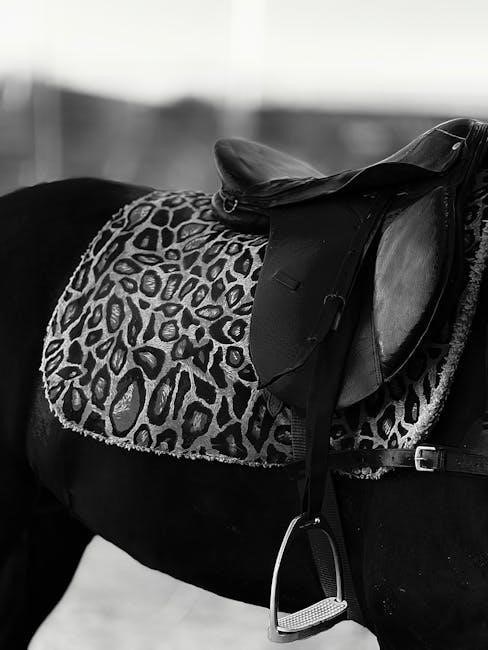
Regularly checking your horse’s body temperature provides a valuable indicator of their thermal state and blanket effectiveness. A normal equine temperature ranges between 99.5°F and 101.5°F. Elevated temperatures may signal overheating, while lower temperatures could indicate insufficient warmth.
Use a rectal thermometer for the most accurate reading, following proper hygiene protocols. Note that temperature can fluctuate slightly with activity, so take readings when the horse is at rest. Consistent monitoring helps establish a baseline for your individual horse.
Combine temperature readings with observations of sweating and behavior for a comprehensive assessment of comfort.
Observing Behavior and Shivering
Careful observation of your horse’s behavior offers crucial clues about their thermal comfort under a blanket. Look for signs of shivering, which indicates the horse is attempting to generate heat and may be too cold. Conversely, a horse that is restless, repeatedly lying down, or appears uncomfortable could be overheating.
Pay attention to posture; a hunched back can suggest coldness, while a relaxed stance indicates comfort. Changes in appetite or energy levels can also signal temperature-related stress.
Combine behavioral observations with temperature checks and assessments for sweating to refine blanket choices.
Blanket Fit and Safety
Proper fit is paramount for blanket safety and effectiveness. Ill-fitting blankets can cause rubs, pressure sores, or even become dislodged, compromising warmth and potentially causing injury.
Ensure correct sizing and check for adequate shoulder room and sufficient coverage.
Proper Blanket Sizing
Accurate measurement is the foundation of a safe and comfortable blanket fit. Begin by measuring your horse from the center of the chest to the point of the buttock, ensuring the tape measure follows the horse’s body contour.
Blanket sizes typically range from 68″ to 84″, with half-sizes available for a more precise fit. It’s better to slightly overestimate than underestimate, allowing for movement and preventing pulling.
Consider the horse’s build; wider-bodied horses may require a wider blanket, even within the same length. Always refer to the manufacturer’s sizing chart, as variations exist between brands. A snug fit at the chest is ideal, allowing for a few inches of play at the rear.
Avoiding Rubs and Pressure Points
Rubs and pressure points can cause discomfort and even skin irritation for your horse. Regularly check areas prone to rubbing, such as the shoulders, chest, and withers, especially with new blankets.
Ensure the blanket isn’t too tight, restricting movement or causing pressure. Look for smooth inner linings to minimize friction against the horse’s coat. Consider using a blanket liner for added protection;
Proper fit is paramount; a blanket that shifts or slides is more likely to cause rubs. Inspect for any signs of irritation – hair loss, redness, or sensitivity – and adjust the blanket accordingly. Prompt attention prevents more serious issues.
Turnout Blanket vs. Stable Blanket
Turnout blankets are durable and waterproof for outdoor use, while stable blankets are lighter-weight and designed for indoor shelter. Construction and weight differ based on intended environment.
Use turnout blankets during pasture time and stable blankets within the barn, ensuring appropriate protection and comfort for your horse.
Differences in Construction and Weight
Turnout blankets prioritize durability and weather resistance. They typically feature waterproof and breathable outer layers, often constructed from denier materials like 600D or 1680D, to withstand outdoor elements and horse play. Their construction focuses on resisting tears and abrasions.
Stable blankets, conversely, emphasize comfort and breathability. They often utilize softer, less waterproof materials, as they aren’t exposed to harsh weather. Stable blankets generally have lighter fill weights compared to turnout blankets, ranging from 0 to 250g, focusing on providing warmth without overheating in a sheltered environment.
Turnout blankets are heavier overall due to their robust construction, while stable blankets are designed for ease of use and comfort within the barn.
Appropriate Use Cases for Each Type
Turnout blankets are ideal for horses living outdoors, exposed to rain, wind, and snow. They provide essential protection during pasture turnout, ensuring the horse remains dry and warm. These blankets are designed for 24/7 use in inclement weather, offering robust defense against the elements.
Stable blankets are best suited for horses housed in barns or stalls. They offer warmth during colder indoor periods, particularly for clipped horses or those sensitive to cold. Stable blankets are not designed to withstand prolonged outdoor exposure and should be removed before turnout.
Using the correct blanket type optimizes horse comfort and health, preventing overheating or chilling based on the environment.